
If you would like to contact a representative to ask any questions or begin the evaluation process, please fill out the form on the right.


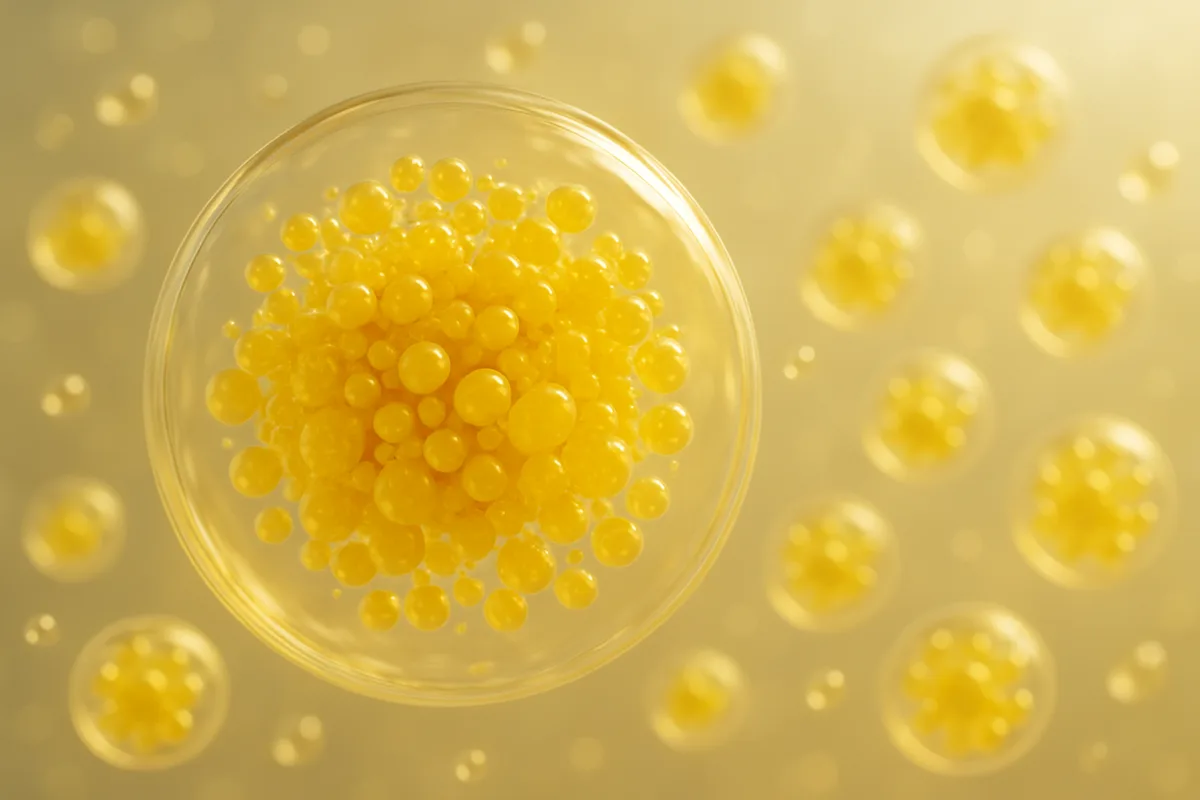
Platelet-rich plasma (PRP) therapy is a regenerative medical treatment that uses the healing power of your own blood to repair damaged tissue, reduce inflammation, and promote long-term recovery. PRP is created by drawing a small blood sample, processing it to concentrate the platelets, and injecting the resulting plasma into the area that needs healing.
Platelets are rich in growth factors and signaling proteins that activate the body’s natural repair mechanisms. PRP is widely used in sports medicine, orthopedics, aesthetics, and comprehensive care for a wide variety of conditions.
– Osteoarthritis and joint degeneration
– Tendinitis and tendinopathies (e.g., tennis elbow, Achilles tendon)
– Muscle and ligament injuries
– Degenerative disc disease
– Chronic pain in the knees, shoulders, hips, or spine
– Post-surgical recovery
– Thinning or hair loss
– Skin rejuvenation and scar repair

I'd heard people talk about stem cells and how it would help them, I've had knee surgery in my right knee and chronic knee pain for years, I’m trying to get that better and I thought I'd give stem cells a try… I just recently did a hike 1048 steps up a mountain and was able to turn around and run down with zero knee pain.

I came here for treatment for type two diabetes, you guys have just taken all the Time in the World to really be patient with me, explaining everything in detail, every question, every concern... I think if I had to use a word uh for all this that it would have to be integrity, every one here is just full of integrity, it’s the way I think people should be treated.

I sustained a really major injury to my finger, it just was a freak accident… I did some research on alternative treatments and you proved to be the best option. I had an incredible experience, you guys were very honest with me. You told me what to expect… it’s been an incredible experience, first of all the staff here are exceptional, I’m not exaggerating, no jokes, really personable, I've never experienced this level of genuine care from any other medical crew, that's cool, 10 out of 10 points to you guys

I found you on the internet and I called, I also I reached out to many other clinics as well but your service from the onset was amazing and very thorough and I found the information that I needed to make my decision on coming to Mexico from Canada, which I think is pretty significant, but the service and just the attention that you gave to me was amazing so I'm thankful for that.

We were very well taken care of, very professional warm and welcoming environment.. three treatments a day is not fun, it’s difficult and it's time consuming, but it was made entirely pleasant and easygoing.. I already see positive changes with Lisa's mobility in the what five days five treatments we've had.

Yo estoy diagnosticada con endometriosis, que he estado tratando con terapia de ozono, también me diagnosticaron con varios miomas. Me hice estudios previos a ponerme células madre, había siete miomas de 4 cm. Después de dos tratamientos de células, 1 cada 6 meses, volvi a hacerme el estudio anual, salió que mis miomas se redujeron, el más grande está en 2 cm y los demás, la verdad, son tan pequeños que ya el doctor me dijo que podía estar tranquila.
I initially came to the clinic because I had a rotator cuff injury, and I wasn't sure what actually was injured. I had an MRI done here. I had several partial tears as well as a bunch of other items that I can't pronounce.The clinic was great. They explained everything to me. I started with the IV ozone, basically by the first treatment, all the pain went away completely.I ended up coming in for the stem cell treatment the following week, it was a very quick procedure. In about 2 months, I was able to swing a golf club.I've been coming back for the IV ozone ever since.
Testimonial from a Medisync patient who came to us with chronic knee pain and one clear goal: getting back to doing what he loves—skating.John, he shares his journey from limited mobility and discomfort to recovery and renewed freedom, thanks to a personalized regenerative medicine protocol. His story is a powerful reminder that with the right care, recovery is possible.
When PRP is injected into injured or inflamed tissue, a high concentration of natural growth factors is delivered directly to the site of the injury.
These factors stimulate:
Since PRP comes from your own blood, the treatment is highly biocompatible and carries a minimal risk of immune rejection.
– Avoid anti-inflammatory medications (NSAIDs) for a few days before your appointment.
– Drink plenty of water and eat a light meal before the session.
– Your medical history will be reviewed to ensure that PRP is right for you.
– PRP can be combined with other therapies, such as stem cells or ozone, depending on your condition.
– Injections into joints, tendons, or soft tissues.
– Injections into the scalp for hair restoration.
– Facial or skin treatments using microneedling.
– A small amount of blood is drawn (usually 10–60 ml).
– The sample is processed in a centrifuge to isolate platelet-rich plasma.
– The PRP is carefully injected into the area to be treated, using ultrasound guidance when necessary.
– The procedure can take between 30 and 60 minutes in total.
– You may experience mild pain or swelling at the injection site for 1–3 days.
– Avoid strenuous activities for at least 24–48 hours.
– You will be given complete instructions to help with your recovery.
At Medisync Center, PRP treatments are performed by healthcare professionals with specialized training in regenerative injection techniques. We use high-quality centrifugation systems and sterile protocols to ensure optimal platelet concentration and safety.
Yes. PRP is considered very safe because it uses your own blood. The most common risks are minor and include:
Discomfort is usually minimal. Local anesthesia may be used to reduce sensitivity during the injection.
Yes. PRP therapy can be enhanced when used in combination with:
Although there is no significant downtime, we recommend taking it easy for 24–48 hours and following the activity restrictions recommended by your doctor.
PRP does not directly create new tissue, but it promotes the healing environment necessary for regeneration. In some cases, it can slow down or reverse degeneration, especially when used preventively.
If you’re looking for a natural, minimally invasive approach to healing, PRP therapy might be a good option. Fill out this short questionnaire to schedule your consultation, and let our medical team design a personalized regenerative medicine plan for you.
If you would like to contact a representative to ask any questions or begin the evaluation process, please fill out the form on the right.