

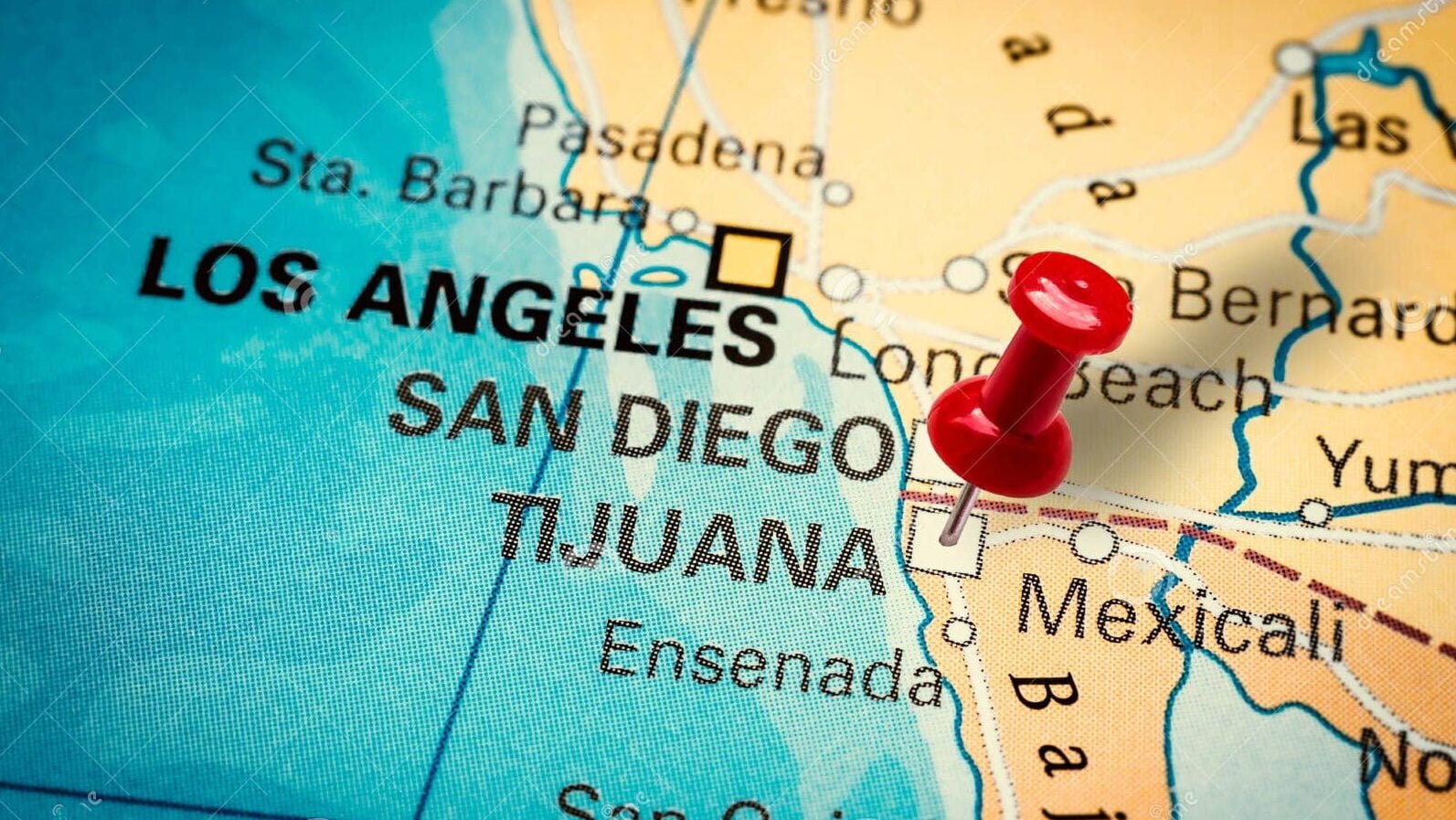
ABOUT TIJUANA

Medical tourism in Tijuana, Mexico has been gaining popularity in recent years, and with good reason. With rising healthcare costs and limited treatment options in the United States and Canada, more people are seeking high-quality, affordable healthcare across the border. Tijuana, known for its state-of-the-art medical facilities, trained doctors and cutting-edge treatments, has become a go-to destination for patients seeking a wide range of medical services.

One of the key reasons Tijuana has become a center for medical tourism is its expertise in regenerative medicine. Regenerative medicine, a field that focuses on harnessing the body’s own healing abilities to repair and regenerate damaged tissue, has shown great promise in treating a wide range of medical conditions. From chronic pain and joint disorders to sports injuries and autoimmune diseases, regenerative medicine offers patients an effective, non-invasive alternative to traditional treatments.

In Tijuana, patients have access to leading Regenerative Medicine clinics and specialists who are at the forefront of research and innovation in this field. Medisync offers a variety of regenerative treatments, such as stem cell therapy, platelet-rich plasma therapy, and ozone therapy, among others, which have been shown to provide significant relief and improvement to patients with various conditions.

Another advantage of medical tourism in Tijuana is the short waiting times. Unlike in the United States, where patients may have to wait weeks or even months for an appointment, patients in Tijuana can often be seen by a doctor within days. This rapid response time allows patients to receive the care they need in a timely manner, without having to endure long waits or delays.

Tijuana is conveniently located just across the border from San Diego Ca., making it easily accessible for patients coming from the United States. Due to its proximity to major airports and highways, patients can easily travel to Tijuana by plane, car, bus, or even walk across the border to have their medical procedures performed with ease.

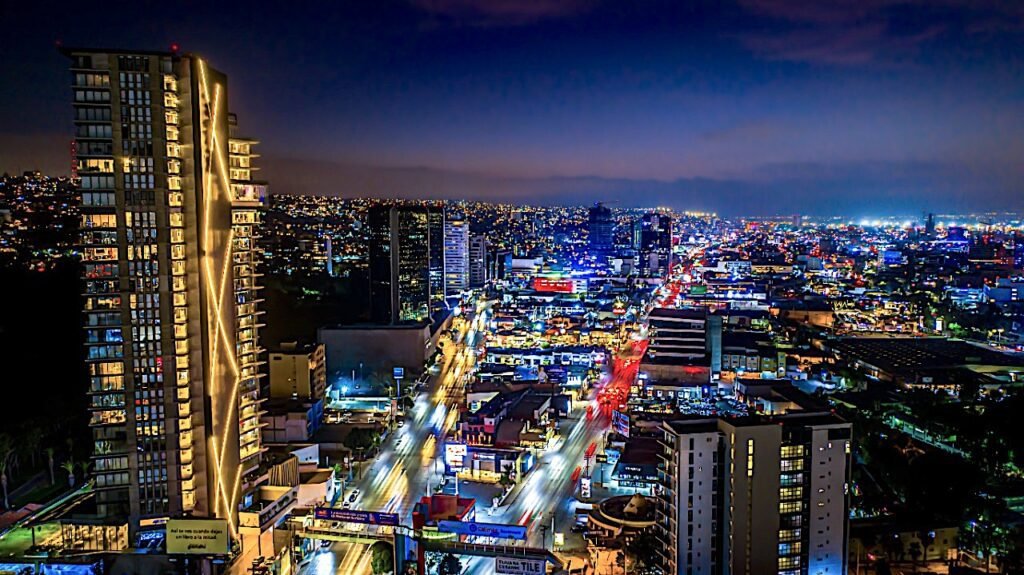
Beyond the medical benefits, Tijuana is also a vibrant and diverse city with a rich cultural heritage. Patients traveling to Tijuana for medical treatment can enjoy exploring its bustling markets, sampling delicious Mexican cuisine, and taking in the sights and sounds of this dynamic city. Medisync is located in the Colonia Cacho district, in the heart of the city, it is surrounded by trendy restaurants and cafes and is easily accessible from most hotels in the city.
Click fir more information on Medisync Center.

FAQ’s about Tijuana


Where is Tijuana?

Tijuana is the largest city in the Mexican state of Baja California, located on the Pacific Ocean and right on the border with the US state of California. Tijuana is 130 miles from downtown Los Angeles, just 20 miles (32 km) south of downtown San Diego, 65 miles north of Ensenada and Valle de Guadalupe.


What is the history of Tijuana?

Tijuana was officially founded in 1889 on lands previously inhabited by indigenous peoples such as the Kumeyaay and Spanish cattle ranches. It really owes its existence to the border with the United States: the city’s founders intended to profit from cross-border trade and American day trips. The city’s first racetrack opened in 1916, and Tijuana flourished after US prohibition in 1920 turned it into a party town for alcohol-hungry Americans, including Al Capone (drinking and gambling were allowed in Tijuana). Since the 1960s, the city’s economy has diversified considerably and its maquiladoras (factories) received a boost from NAFTA in the 1990s. Although Mexico’s drug war has taken a heavy toll in terms of tourism since 2008, today the city is much safer and has one of the most dynamic local economies in Mexico.


How big is Tijuana?

Tijuana has a major metropolitan population of just over two million and covers an area of ​​around 637 square kilometers. The city borders the US border from the Pacific coast inland for almost 30 kilometers.


When is the best time to go to Tijuana?

Tijuana has almost perfect weather (between 70 and 80 degrees Fahrenheit) nine of the twelve months of the year. The summer months (June to October) are hot and dry, and are generally the best times to visit, although as a large city, Tijuana is essentially a year-round destination. Winter is usually cooler, slightly wetter and cloudier.


What currency is used in Tijuana?

The Mexican peso (often preceded by a “$” sign) is the currency of Mexico and Tijuana; Although most places accept US dollars, a better exchange rate (and therefore cheaper deals) is in pesos. Most major stores and restaurants in Tijuana accept credit cards, but it’s a good idea to have some peso cash on hand for tickets and small purchases like bottled water and snacks. ATMs are easy to find in Tijuana, on and just off Revolución (especially Av Constitución, which runs parallel one block west).

How do you get to Tijuana?


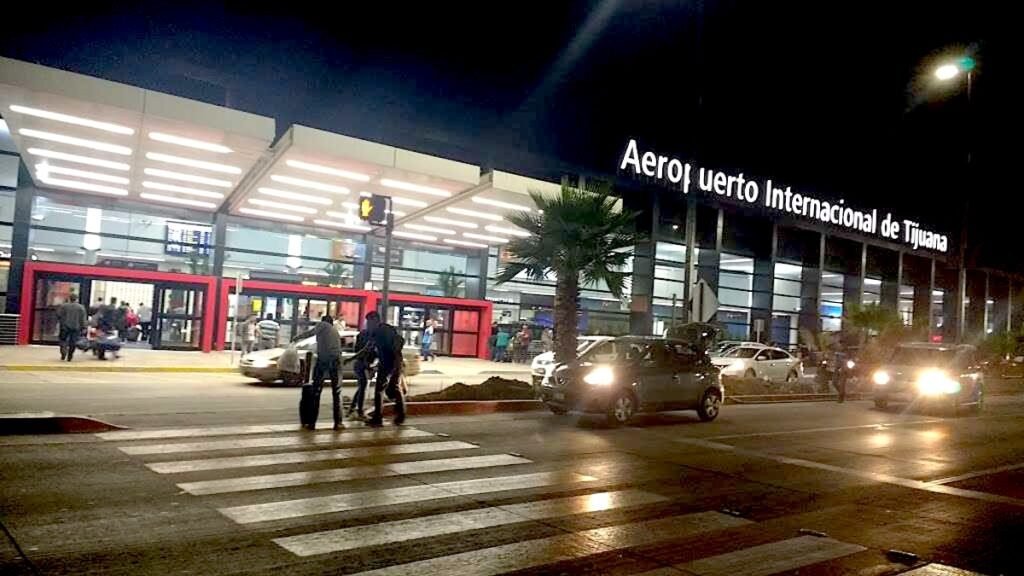
Tijuana Airport serves almost all major cities in Mexico, although it does not currently receive international flights. From the Tijuana airport, taxis charge around 250 pesos to the city; Uber drivers will charge less, but are generally reluctant to pick you up (see below).

San Diego Airport is just 21 miles (34 km) and a short taxi ride (around US$60 per meter) from the US-Mexico border in Tijuana, making San Diego the main entry point for visitors from the US, Canada and Europe.

Nonstop flights to San Diego:

2 hours 50 minutes from Seattle

1 hour 35 minutes from San Francisco (direct to Tijuana via AA)

1 hour 15 minutes from Las Vegas (direct to Tijuana via Volaris and AA)

1 hour 10 minutes from Phoenix (direct to Tijuana via Volaris)

2 hours and 20 minutes from Denver. (direct to Tijuana via AA)


Can you arrange transportation to and in Tijuana?

If, through our Concierge, you can hire a private transportation service, below is an example table of rates:

TRIPCOSTPASENGERS
San Diego Airport (SAN) – Tijuana$70 USD2
Tijuana – San Diego Airport (SAN)$70 USD2
Los Angeles Airport (LAX) – Tijuana$350 USD1 – 4
Tijuana – Los Angeles Airport (LAX)$350 USD1 – 4
Local trip Río, Cacho- Gabilondo, Centro,  (Near Garita de san Ysidro)

– 30 mins wait within trip 

$20 USD roundtrip2
Local trip Río, Cacho- Gabilondo, Centro,  (Near a Garita de san Ysidro)

– 30 mins wait within trip 

$15 USD per way 

($30 USD roundtrip)

4


So that our Concierge can offer the best possible experience, we ask you to consider:

  • Notify any hiring/change at least 48 hours in advance.
  • Let us know any special needs of the patient.
  • If necessary, a trip to Ensenada, Mexicali can be quoted.
  • If you add a third companion on the trip to the airport from San Diego to Tijuana, the extra rate per person will be $40 USD.
  • Prices subject to change.


Can I walk or drive across the border between the United States and Mexico?

It is possible to cross the US-Mexico border on foot or by car in Tijuana, but we recommend walking across rather than driving (see below). Walk across the US-Mexico border at San Ysidro (“PedEast”), which is conveniently connected to the San Diego trolley system (45 minutes and just $2.50 from downtown San Diego), making day trips possible. Leaving the US side there are no US immigration/customs checks and relatively quick Mexican checks for pedestrians; There is no paperwork if you don’t go beyond Tijuana or Ensenada. Once across, take a taxi (always waiting; it should cost between 5 and 6 US dollars) or walk 20 minutes to Avenida Revolución, the main street; It is a well-marked route through the footbridge over the Tijuana River. It’s safe during the day, but take a taxi at night. Allow more time to return to the US, especially during morning and evening rush hours, when the wait can last several hours (there are always strict immigration and customs checks when re-entering the US, even for US citizens). The main border crossings are open 24 hours a day. Don’t forget your passport!


Can I cross the border between the United States and Mexico with Uber?

It is generally not possible to take an Uber from the US side to the Mexican side, although some drivers may agree to make the trip (taking an Uber from Tijuana to the US side is definitely not allowed). Instead, simply take an Uber to the border, walk across, and hail another one on the other side. Heading to the more central “Zona Río” section of Tijuana, it can be much quicker (but not cheaper) to take an Uber to the pedestrian bridge called the Cross-Border Xpress or “CBX” that crosses the US-Mexico border in Tijuana. Airport. Walk across (it costs US$16) and then order an Uber to the other side, outside the passenger terminal; crossing here is much faster than in San Ysidro.


Can I use Uber in Tijuana?

Uber operates in Tijuana (assuming phones have roaming and the app works), drivers can pick up to and from the Tijuana airport. In the city, getting an Uber should not be a problem and can be cheaper than regular taxis.


How do I get around Tijuana without a vehicle?

It’s easy to explore Tijuana’s Zona Centro on foot, but to go further (to Zona Río, for example), take taxis or buses; Buses are cheap, but taxis are much more convenient in Tijuana and much safer at night. Yellow taxis (“economy taxi”) do not use a meter and follow a fixed fare system, while “free taxis” (white) use a meter; To avoid being overcharged, try to use free taxis (always insist that drivers turn). on the meter). Rates within downtown Tijuana should not exceed 100 pesos. Uber charges slightly cheaper fares. Shared taxis (“colectivos” or “taxi de ruta”) are even cheaper, but are not recommended for first-time (or non-Spanish speaking) visitors.
Send feedback

During your visit to Medisync Center


Where should I stay in Tijuana?

We recommend speaking with our concierge for assistance with reserving the best accommodation for your needs at no additional cost. We can arrange hotels at various price points, a room at an all-inclusive recovery center if you have medical needs that require a nurse or a special diet, or a hospital room, if required, at our referral hospital just a few blocks away.

Here is a list of hotels that we recommend, contact us to access our special rate.

Hotel City Express by Marriot / Río

Hotel City Express Plus by Marriot / Toreo

Hotel Palacio Azteca

Hotel Hyatt Place

Hotel Lucerna

Hotel Quartz

If you want to organize accommodation yourself, whether it be a hotel or a short-term rental like Airbnb, we recommend staying in what is known as the Golden Zone (where Col. Cacho is located) or in adjacent neighborhoods such as Zona Río, Chapultepec or even Downtown Tijuana so that you avoid traffic problems when arriving and returning from the clinic.

Click here to see a list of places you can rent on Airbnb near us.

Where to eat
These are some places we recommend to eat near our facilities
For a good coffee, Electric Coffee Roasters

For a healthier breakfast, Alma Verde (cacho) 

For a more decadent breakfast, Mantequilla Cacho

For delicious and fresh, Baja Poke la Cacho

To eat at gourmet Food Trucks, Telefonica Gastro Park

For Italian food for lunch/dinner, Giuseppis

For Baja-Med seafood lunch/dinner, La Corriente Cevichería + Nais

For a dining experience, Kemuri Ramen


This list is compiled in the form of recommendations, if you require special dietary or stay services, please contact our concierge to attend to your needs.

LATEST NEWS